
Segway or segue is a common word-choice problem because both words sound almost identical. They even look similar on the page. However, their meanings are completely different. One describes a smooth transition between ideas, while the other refers to a well-known brand associated with personal transportation.
If you are changing topics in an essay, conversation, presentation, or podcast, you usually need segue. If you are talking about a rideable device, you need Segway. Understanding this small spelling difference can prevent many common spelling mistakes and make your writing and speaking clearer.
Segway vs. Segue: What Is the Difference?
The easiest way to understand segue vs Segway is to connect each word with what it describes. Segue means to move smoothly from one subject, idea, section, or piece of music to another. Segway is a brand name associated with personal transportation products. Dictionary.com’s segue definition
Think of segue as movement between ideas and Segway as movement on wheels. Both words have a similar spelling and are often pronounced “seg-way.” That visual similarity creates confusion, especially when typing quickly or relying on autocorrect suggestions.
| Word | Meaning | Typical use | Example |
| Segue | A smooth transition from one thing to another | Writing, speaking, music | “She segued into a new topic.” |
| Segway | A brand associated with personal transportation | Vehicles and mobility | “They used a Segway during the tour.” |
What Does “Segue” Mean?
The basic segue meaning is to move smoothly from one thing to another. As a verb, segue often describes a transition between ideas or a topic transition that feels natural. It can appear in formal and casual settings, from academic essays to everyday conversations. Dictionary.com’s segue entry
For example, a speaker might discuss healthy eating and then transition smoothly into exercise. That is a segue. A writer can also use a writing transition to connect one paragraph with the next section. A good segue helps readers and listeners follow your message without making the discussion feel forced.
Segue as a Verb
As segue as a verb, the word describes the act of moving naturally from one subject to another. Its common past form is segued, while the present participle is segueing. Dictionary.com lists both forms and defines the verb around a smooth transition from one thing to another. Dictionary.com — Segue
Consider this example sentence: “The teacher discussed climate change and then segued into renewable energy.” The speaker did not simply change topics without warning. Instead, the first idea created a bridge to the second. That bridge is the conversational transition that makes the discussion easier to follow.
Segue as a Noun
A segue as a noun refers to the transition itself. You might say, “That was a smooth segue into the next subject.” Here, segue names the connection between two ideas rather than describing the action of making that connection.
The noun is especially useful when people discuss smooth ideas in presentations and conversations. For example, a presenter may prepare a planned segue between statistics and a personal story. In essays, the same idea appears when one paragraph leads naturally into another through a clear logical flow.
Segue in Music and Art
The history of segue reaches beyond ordinary conversation. The word comes from Italian and carries the sense of something that “it follows.” In music, it can describe moving directly into another section without a break. Dictionary.com — Segue Etymology and Meaning
That musical sense explains why the word fits segue in music so well. The same principle can describe segue in art or other smooth creative shifts. One scene, sound, image, or idea can lead naturally into another. The transition works because the audience senses a connection rather than an abrupt stop.
What Is a Segway?
The Segway meaning is different from the meaning of segue. Segway is a brand name connected with personal transportation products. The company says Segway began in 1999 and became known for self-balancing personal transporters before expanding into other mobility and technology products. Segway Official Website
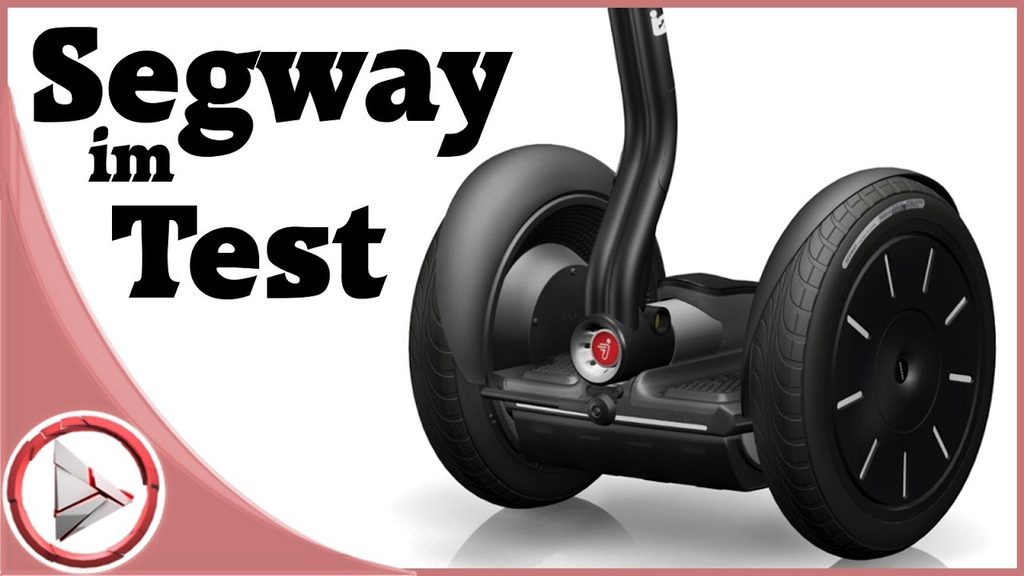
In everyday language, people often use Segway when discussing a two-wheeled vehicle, especially the upright self-balancing type that became famous for guided tours and short-distance travel. It is therefore linked with personal mobility, not grammar and transitions.
Why Is “Segway” Capitalized?
Segway is normally written with a capital letter when referring to the company or its branded products. That distinction matters because the word is a proper name. The company officially uses the Segway name for its mobility products and broader technology business. Segway About Us
A lowercase segway often appears when someone intends to write segue. Dictionary.com identifies “segway” as a frequent misspelling of segue. Dictionary.com — Segway In other words, capitalization can provide a useful clue when checking the correct context.
Segway as a Transportation Term
A Segway can be described as a personal mobility device or personal transporter. The original Segway Personal Transporter was designed as a self-balancing transportation device. The company later expanded into e-scooters, e-bikes, off-road vehicles, robotics, and other mobility technologies. Segway Official Website
That history helps explain why the word is strongly associated with transportation. If someone says they plan to ride a Segway through a city, they are describing physical movement. If they say they will segue into the history of that city, they are describing movement between ideas.
Segway or Segue
When Should You Use Segue or Segway?
Use segue when you need a topic change that connects naturally with what came before. It works in emails, essays, speeches, meetings, podcasts, interviews, and presentations. The goal is to help the audience flow naturally from one point to the next without creating awkward shifts.
Use Segway when you mean the brand or one of its transportation products. A simple test works well: ask yourself whether you are moving between ideas or moving on wheels. If it is the first, choose segue. If it is the second, choose Segway.
Use “Segue” for Topic Changes
Choose segue for a smooth topic shift, especially when one idea naturally introduces another. A presenter might discuss customer complaints and then segue into improvements. A podcast host might talk about travel before making a segue into local food. These are examples of transition in speech and segue in podcasts.
The same rule applies to segue in writing. You might finish a paragraph about a problem and use its final sentence to introduce a solution. Strong linking phrases can preview what comes next and help readers understand why the main point is changing.
Use “Segway” for Transportation
Choose Segway when you mean a physical device. For example, “The visitors used a Segway during the city tour.” Here, the word has nothing to do with transition between ideas. It describes transportation and a physical rideable product.
This distinction is useful in travel writing. A sentence about city tours may mention riding a Segway through certain areas. A later paragraph might then segue into local history. One paragraph can therefore contain both words, but each word performs a completely different job.
Segue vs. Segway: Common Mistakes to Avoid
The biggest error in segue vs Segway writing is using the transportation word when you mean a transition. You may see sentences such as “Let’s Segway into our next topic.” In standard usage, the intended word is segue. The mistake happens because the two sound-alike words share nearly the same pronunciation.
Another error is treating segue as if it were a vehicle. Someone might write, “She rode a segue downtown.” That sentence changes the intended meaning completely. Learning the difference once can prevent repeated common spelling mistakes, particularly when writing quickly or accepting an autocorrect mistake without checking it.
Using “Segway” for a Topic Change
Writing “Let’s Segway into the next topic” is a common error. The sentence needs segue because the speaker is moving from one topic to another, not traveling on a vehicle. The confusion comes from the fact that both words sound identical in many American English contexts.
This mistake can appear in emails, presentations, social posts, business writing, and casual messages. A useful editing trick is to replace the word with “transition.” If “transition” makes sense, segue is probably the correct spelling of segue.
Lowercasing the Brand Name
Another mistake is writing segway when you mean the Segway brand. The official company uses Segway as its name. Dictionary.com separately lists lowercase segway as a frequent misspelling of segue. Dictionary.com — Segway Definition
Capitalization alone cannot solve every case. However, it gives you a helpful clue. When the sentence describes a branded product, use the capital letter. When it describes a transition, use segue. Always consider meaning first, then spelling.
Capitalizing “Segue” Unnecessarily
The opposite mistake is writing Segue as if it were always a brand. In ordinary English, segue is a common noun and verb. It does not normally need capitalization in the middle of a sentence unless a particular style rule requires it.
For example, “She segued into another subject” uses the ordinary word correctly. “She Segued into another subject” gives the word unnecessary emphasis. Good editing depends on correct context, not simply remembering that another similar word has a capital letter.
Writing the Wrong Past Tense
The standard past tense of segue is segued. For example, “The conversation segued from travel to food.” Dictionary.com lists segued as the past form and segueing as the present participle. Dictionary.com — Segue
This matters because spelling changes can make an otherwise clear sentence look uncertain. If you are describing a completed topic transition, use segued. The word behaves like a regular English verb even though its word origin comes from Italian.
Misspelling “Segueing”
The form segueing is used when the action is continuing. For example, “The speaker is segueing from the introduction into the main discussion.” Dictionary.com includes segueing among the standard forms of the verb. Dictionary.com — Segue
The spelling can look strange because English speakers do not always expect the letters in segue to behave this way. Still, segueing is the established form. Remember that the word keeps its core spelling while taking the “-ing” ending.

How to Remember the Difference Between Segue and Segway
The simplest memory trick is to connect segue with ideas and Segway with wheels. A segue helps your thoughts move smoothly from one idea to another. A Segway lets a person travel physically. This creates a clear mental picture that is easier to remember than a spelling rule alone.
You can also ask one quick question before typing the word: “Am I changing subjects, or am I describing transportation?” If you are discussing grammar and transitions, choose segue. If you are discussing a vehicle or mobility product, choose Segway. This works in both writing and speaking situations.
The “Ideas or Wheels?” Test
The “ideas or wheels?” test is one of the fastest ways to separate the words. Ideas need a segue. A vehicle may be a Segway. The first involves moving between ideas. The second involves moving on wheels.
Imagine a meeting where a manager discusses sales and then moves to customer service. The manager makes a segue. Imagine tourists traveling around a city on a personal transporter. They may ride a Segway. The mental pictures are completely different.
A Simple Memory Trick
Think of the phrase “segue = smooth.” Both concepts connect with movement from one point to another. The movement is not physical. It is a movement in thought, conversation, writing, music, or presentation structure.
For Segway, picture an actual rider moving along a sidewalk. This creates two simple categories: smooth ideas versus physical movement. Once that contrast becomes familiar, choosing between the words becomes almost automatic.
Everyday Examples of Segue and Segway
The difference becomes easier when you see both words in realistic situations. In everyday conversations, someone may segue from weekend plans to travel. In a presentation, a speaker may segue from a problem to its solution. In a travel story, someone might ride a Segway during a city tour.
The setting does not determine the spelling. Meaning does. A podcast can contain a segue. A business meeting can contain a segue. A travel article can discuss a Segway. Even the same sentence sequence can use both words when the context changes.
School and College
Students often need segue when writing essays, reports, speeches, and presentations. A strong transition helps one paragraph support the next. For example, an essay about renewable energy might segue from environmental problems into possible solutions.
This kind of transition in writing supports logical flow. It helps readers understand why the writer has moved from one section to another. A sudden jump can feel confusing, while a clear segue creates a stronger connection between ideas.
For students looking for more digital and education-focused material, The News Magazine also covers educational technology topics such as the VCE ATAR Calculator and study scores guide.
Work and Business
In business communication, a good segue can make meetings feel more organized. A manager might discuss current sales and then segue into next quarter’s plans. A presenter can use linking phrases to show how the main point leads toward the next topic.
This matters because professional audiences often process a lot of information quickly. A thoughtful conversational transition can improve audience engagement and reduce unnecessary topic jumps. The goal is not to sound complicated. It is to make the discussion easier to follow.
Emails and Writing
Written communication also benefits from a clear segue. Suppose an email first explains a delivery problem and then needs to discuss a refund. A sentence connecting those ideas creates a smooth transition in writing.
The word itself does not have to appear in every transition. In fact, you can often create the effect without writing segue. Phrases such as “With that in mind” or “This brings us to” can guide readers toward the next section while keeping the message natural.
Podcasts and Social Media
Podcasts often rely on smooth topic changes because hosts may cover several subjects during one episode. A host can segue from a personal story into an interview question, then segue from that question into a broader discussion.
The same principle works on social media. A creator might start with a personal observation and then move into advice. The segue in podcasts or social content does not need to be formal. It simply needs to help the audience follow your message.
The News Magazine also covers digital entertainment and online platforms. Its Bilibili guide is another example of content focused on modern digital media and online communication.
Travel and Transportation
Travel creates a perfect example of the difference. Someone can ride a Segway during a guided tour. The device belongs to the world of personal mobility and transportation. Segway’s own company information explains its history and the expansion of its product range beyond its original personal transporter. Segway Official Website
A travel writer could then segue from that experience into a discussion about the city’s history. That sentence would contain two completely different concepts: physical travel and a smooth transition between ideas. The spelling changes because the meaning changes.
Dictionary-Style Word Details
A dictionary-style comparison makes the distinction easier to review. Segue is a noun and verb connected with smooth transitions. Segway is a proper name associated with a transportation brand. Their similarity is mainly visual and phonetic, not semantic.
The segue definition focuses on an uninterrupted transition from one thing to another. The Segway definition points toward the brand and its transportation products. The two words therefore belong to very different vocabulary groups even though they can sound the same.
Segue Definition
The segue definition describes a smooth or uninterrupted transition. Dictionary.com gives both verb and noun uses. As a verb, segue means to move smoothly into another subject or musical section. As a noun, it can mean the transition itself. Dictionary.com — Segue Definition
Its Italian origin is especially interesting. The word comes from Italian segue, meaning “it follows,” from seguire, meaning “to follow.” This Italian word segue helps explain why the word carries the idea of one thing naturally following another.
Segway Definition
The Segway definition is tied to a brand rather than the general concept of a transition. Segway was established in 1999 and became associated with self-balancing personal transporters. The company later combined with Ninebot in 2015 and expanded its mobility and technology portfolio. Segway About Us
Today, the company describes a broader range of products, including eKickScooters, eBikes, self-balancing vehicles, off-road vehicles, and robotics. So, while the classic two-wheeled image remains familiar, the modern Segway brand name covers a wider technology ecosystem.
Pronunciation
The segue pronunciation and Segway pronunciation are commonly very similar in American English. Dictionary.com gives American pronunciations for segue that include forms represented as “sey-gwey” and “seg-wey,” while segway is listed with a corresponding “seg-wey” pronunciation. Dictionary.com — Segue Pronunciation and Meaning
That explains the confusion. The words can sound identical even though their meanings differ. When two sound-alike words have similar spelling, your ears cannot always tell you which word belongs on the page. Meaning and context must do the work.
Verb Forms
The main verb forms are straightforward once you know the spelling. The present form is segue, the past form is segued, and the present participle is segueing. Dictionary.com explicitly lists these forms in its entry for the word. Dictionary.com — Segue
For example, you can say, “The speaker segued into the final section.” You can also say, “The host is segueing into a new discussion.” These forms are useful in formal and casual settings, including speeches, interviews, articles, and conversations.
Synonyms for Segue
Useful synonyms for segue include “transition,” “shift,” “move into,” “pass into,” and “flow into,” depending on the sentence. However, these words are not always perfect substitutes. Segue often carries the special idea of a smooth connection between two subjects.
For example, “The discussion shifted to pricing” is correct, but “The discussion segued into pricing” emphasizes the smoothness of the movement. That subtle difference makes segue useful when describing polished writing and speaking.
Word Origin
The word origin of segue gives the word a useful memory clue. It comes from Italian and originally relates to the idea “it follows.” The musical use helped establish the sense of continuing directly from one section into another. Dictionary.com — Segue Etymology
This history is more than linguistic trivia. It gives you a logical way to remember the word. If one idea “follows” another smoothly, you have the basic concept of a segue. The transportation brand, meanwhile, has its own modern history beginning in the late 1990s.
| Feature | Segue | Segway |
| Core idea | Smooth transition | Transportation brand |
| Word type | Noun and verb | Proper name |
| Main context | Ideas, speech, writing, music | Mobility and transportation |
| Capitalization | Usually lowercase | Usually capitalized |
| Past tense | Segued | Not normally used as a transition verb |
| -ing form | Segueing | Depends on brand/product context |
| Memory clue | Ideas flow | Wheels move |
Practice Quiz: Segue or Segway?
A quick practice test can make the distinction stick. Read each sentence and decide which spelling belongs in the blank. The key is to focus on meaning rather than pronunciation. If the sentence describes changing topics, think segue. If it describes a physical ride, think Segway.
The five examples below cover common situations in school, work, conversation, and travel. They also show why relying on sound alone can lead to errors. After practicing, you should be able to identify the correct context without stopping to think about the spelling for very long.
Quiz 1
“After discussing the budget, the manager ______ into a conversation about hiring.”
The correct answer is segued. The manager moved from one topic to another, so this is a transition. The sentence has nothing to do with transportation. The past tense form makes the completed action clear.
Quiz 2
“The tourists decided to ______ through the historic district.”
The intended answer is ride a Segway if the sentence refers to the branded vehicle. Here, the action is physical. The tourists are using transportation, not making a topic transition.
Quiz 3
“Her introduction created a natural ______ into the main discussion.”
The correct answer is segue. Here, the word is a noun. It names the smooth transition from the introduction to the discussion. This is a common use in presentations and conversations.
Quiz 4
“The host is ______ from the interview into the listener questions.”
The correct answer is segueing. The host is currently moving from one part of the program into another. This is a classic example of segue in podcasts and demonstrates the correct “-ing” form.
Quiz 5
“Which word describes a transition between two ideas?”
The answer is segue. The word refers to the smooth movement from one thought or subject to another. A Segway, by contrast, belongs to the world of personal mobility. Remembering that contrast is usually enough to avoid the spelling mistake.
Frequently Asked Questions About Segue and Segway
The confusion between these words is understandable. Their spellings are close, and their pronunciations overlap strongly in American English. However, their meanings are separate. Segue belongs to the language of transitions, while Segway belongs to the language of branded mobility products.
The safest approach is to check the sentence’s meaning before checking its spelling. If you are connecting ideas, use segue. If you are discussing the brand or a related transportation product, use Segway. That simple distinction solves most usage questions.
Is it segue or Segway for a topic change?
For a topic change, use segue. A segue is a smooth transition from one subject or idea to another. For example, “The speaker segued from marketing into customer service.” Segway is associated with the transportation brand, not ordinary topic changes. Dictionary.com — Segue
Is “segue” pronounced like “Segway”?
In American English, segue and Segway are commonly pronounced the same or nearly the same. Dictionary.com gives segue pronunciations that include “sey-gwey” and “seg-wey,” while segway is listed with “seg-wey.” Dictionary.com — Segue
What is the past tense of “segue”?
The past tense is segued. For example, “The conversation segued from sports to travel.” The form is listed directly in dictionary references for segue. Dictionary.com — Segue
How do you spell “segueing”?
The standard form is segueing. It keeps the spelling of segue and adds the “-ing” ending. You might write, “The presenter is segueing into the final section.” Dictionary.com lists segueing among the established forms of the verb. Dictionary.com — Segue
Is “Segway” a brand name?
Yes. Segway is a brand associated with personal transportation and mobility technology. The company says it was established in 1999 and later combined with Ninebot in 2015. Its current product areas extend beyond the original self-balancing transporter. Segway Official Website
Can “segue” be a noun?
Yes. Segue can function as a noun. It can describe an uninterrupted transition between musical sections or a smooth transition between other things. Dictionary.com — Segue For example, “That was a clever segue into the next subject.”
What is the easiest way to remember the difference?
Remember one simple contrast: segue connects ideas, while Segway connects a person with a vehicle. If you are making a smooth topic shift, use segue. If you are talking about moving on wheels, think Segway.
The core lesson from Segway or segue is therefore simple. Segue is the word for a smooth movement from one idea, subject, section, or musical passage to another. Segway is the proper name associated with personal transportation. Once you connect each spelling with its meaning, the confusion becomes much easier to avoid.
[…] another practical lesson about easily confused terms, see Segway or Segue – What’s the Difference?. It offers another useful example of how similar-looking words can have very different […]
[…] article on Segway or Segue – What’s the Difference? is another useful internal resource for writers who want to improve transitions between ideas. […]
[…] you enjoy learning about other easily confused English terms, you can also read Segway or Segue for another useful spelling and meaning […]
[…] Good writers also pay attention to word choice. Even small spelling or usage differences can change how polished a sentence feels. For another example of commonly confused terms, see our guide to Segway or Segue – What’s the Difference?. […]