
If your nanoplasty hair treatment did not deliver the smooth, glossy finish you expected, you are not alone. Many people wonder why their hair still looks frizzy or feels dry after a salon service. The problem may involve the formula, application technique, heat, hair condition, or aftercare routine. Your hair history matters too, especially if you have colored, bleached, curly, or over-processed strands.
In this guide, we explain the most common reasons a nanoplasty treatment fails and what you can do differently next time. You will also learn how proper preparation, professional application, and consistent nanoplasty aftercare can help you achieve smoother, healthier-looking results without unnecessary damage.
What Is Nanoplasty and How Does the Hair Treatment Work?
A nanoplasty hair treatment is a salon-based hair smoothing treatment designed to reduce frizz and make hair easier to manage. Products differ considerably. Some contain amino acids, proteins, organic acids, or conditioning ingredients. Therefore, you should evaluate the actual formula instead of assuming every nanoplasty product works identically.
The process commonly combines product application with controlled heat and flat ironing. The goal is usually smoother-looking hair with less visible frizz. However, “repair” does not automatically mean damaged hair becomes structurally restored. Your hair shaft, hair cortex, and hair cuticle can respond differently depending on previous chemical and thermal damage.
Why Your Nanoplasty Didn’t Work: The Most Common Reasons
Sometimes the problem starts before treatment day. A proper hair assessment should consider your texture, porosity, color history, previous chemical services, and current strength. If a stylist uses the same formula and technique for everyone, the result may look uneven or disappear faster than expected.
Product selection matters too. Resistant curly hair may require a different approach from fine or fragile strands. Meanwhile, heavily bleached hair may not tolerate aggressive processing well. Your stylist should adjust the treatment rather than forcing every client into the same template.
Your Hair Was Not Properly Assessed
Hair can behave differently across the same head. The roots may be healthy while the ends remain porous from previous coloring. A proper hair consultation helps your stylist identify those differences before choosing the product and technique.
The Wrong Formula Was Used
Not every nanoplasty formula suits every texture. Fine hair may become excessively flat while resistant curls may need a different processing strategy. Ask which product your stylist plans to use and whether it suits your specific hair condition.
The Product Was Applied Incorrectly
Uneven saturation can produce uneven results. Too little product may leave some sections untreated. Excessive product can create unnecessary buildup. Section size, application speed, product distribution, and distance from the scalp all influence consistency.
Heat Settings Were Not Suitable
Heat requires precision. More heat does not automatically create better hair smoothing. Excessive temperature or repeated passes can stress fragile strands. OSHA notes that salon smoothing products capable of releasing formaldehyde require appropriate workplace controls when applicable.
Processing Time Was Incorrect
Processing time should follow the specific product instructions. Leaving a formula on longer does not guarantee stronger results. Likewise, removing it too early can produce a weaker finish. Your stylist should follow the manufacturer’s directions rather than relying on guesswork.
Your Hair Condition Affected the Result
Previously over-processed hair may react unpredictably. Bleaching, coloring, frequent heat styling, and earlier straightening services can alter hair porosity and strength. Sometimes the safest decision is to delay another treatment while improving the hair’s condition.
Signs Your Nanoplasty Was Done Incorrectly
A poor result can appear as persistent frizz, uneven straightening, excessive dryness, or sudden breakage. However, not every disappointing outcome proves that the stylist made a mistake. Natural regrowth, humidity, frequent washing, and your original texture can all affect how quickly the result changes.
Pay closer attention when the hair feels substantially weaker than before. Severe brittleness, unusual snapping, scalp irritation, or strong respiratory symptoms during treatment deserve more than another appointment. Stop and seek appropriate professional advice when something feels wrong.
Frizz Returned Too Quickly
If frizz control disappears unusually fast, several explanations are possible. The formula may not suit your hair. Application may have been inconsistent. Frequent washing or exposure to humidity, salt, and chlorine may also shorten the cosmetic effect.
Hair Feels Dry or Brittle
Hair that suddenly feels rough or fragile needs attention. Excessive chemical processing and heat can contribute to dryness and breakage. Do not automatically book another treatment. First determine whether the hair needs recovery and conditioning.
Results Look Uneven
Uneven results often appear when sections receive different product coverage or heat exposure. New growth can also create contrast. A stylist should examine the hair closely before deciding whether correction is appropriate.
Hair Breakage Increased
Breakage is a warning sign rather than a simple cosmetic inconvenience. If strands snap during brushing or washing, avoid immediately repeating the process. Your hair may need time and professional evaluation before further chemical treatment.
Hair Color Changed Unexpectedly
Smoothing treatments can sometimes alter the appearance of colour-treated hair. Porosity and existing pigment influence how hair responds. Discuss color timing with your stylist if maintaining a precise shade matters to you.
Nanoplasty Aftercare Mistakes That Can Ruin Results
Your nanoplasty aftercare routine can influence how long the cosmetic effect remains visible. Washing frequency, cleansing products, heat styling, swimming, and conditioning habits all matter. Yet there is no universal aftercare rule for every formula, so your product-specific instructions should take priority.
A gentle routine usually makes more sense than aggressive maintenance. Avoid assuming that every sulphate-free shampoo or sodium-free product automatically suits your treatment. Ask your stylist which ingredients and products they recommend for the exact formula used.
Washing Hair Too Frequently
Frequent washing can remove conditioning agents and change the feel of treated hair. If your stylist recommends fewer washes, follow that guidance. Your scalp needs cleansing too, so avoid creating an uncomfortable routine simply to preserve a cosmetic result.
Using Harsh Cleansing Products
Strong cleansing products may make treated hair feel drier. A sodium-free shampoo may be recommended for some routines, but the exact product matters. Always check the treatment manufacturer’s instructions rather than relying on a generic internet list.
Skipping Conditioning Treatments
Smooth hair still needs moisture and careful handling. Regular deep conditioning can improve softness and manageability. A weekly hair mask may also help depending on your hair type and the products you already use.
Excessive Heat Styling
Your hair has already experienced significant heat during treatment. Repeated high-temperature styling can add unnecessary stress. If you use hot tools, follow sensible temperature settings and apply an appropriate heat protectant.
Salt Water and Chlorine Exposure
Frequent swimming can affect treated hair. Salt water and chlorine may leave hair feeling dry or rough. Rinse with fresh water after swimming and ask your stylist how to protect your hair if you swim regularly.
Ignoring Professional Aftercare Instructions
Generic advice cannot replace product-specific instructions. Your stylist should explain washing, conditioning, swimming, heat, and styling recommendations before you leave. Keep those instructions so you do not accidentally undermine your investment.
How Long Does Nanoplasty Last and What Affects Its Results?
People often ask how long does nanoplasty last because salons may advertise specific timeframes. In reality, there is no universal guarantee. Results depend on your formula, texture, washing habits, styling routine, environmental exposure, and new growth.
For example, someone with resistant curls who washes frequently may notice changes sooner than someone with mildly wavy hair and gentle washing habits. That does not necessarily mean either treatment failed. Longevity should be judged against the original treatment goal.
| Factor | How it can affect results |
| Hair texture | Changes how smoothing appears |
| Washing frequency | Can affect cosmetic longevity |
| Heat styling | May increase dryness and breakage |
| Swimming | Salt and chlorine can affect condition |
| Product formula | Determines treatment requirements |
| Hair regrowth | Gradually reveals untreated texture |
| Previous damage | Can change how hair responds |
Nanoplasty Hair Treatment Process: What Should Happen?
A professional nanoplasty treatment process should begin with consultation rather than immediate product application. Your stylist should review your hair history and assess its condition. This stage helps establish whether the requested finish is realistic and whether the service is appropriate.
The treatment then follows the instructions for the selected formula. Preparation, application, processing, rinsing, drying, and heat activation each require care. A reputable salon should also explain aftercare clearly. The exact sequence can differ between manufacturers.
Read More:https://thenewsmagazine.org/silver-daddies/
Consultation and Hair Assessment
Your stylist should ask about bleach, permanent color, previous straightening, heat styling, and your desired result. This information helps create a personalised treatment rather than a generic service.
Hair Preparation and Cleansing
Preparation depends on the product. Do not assume that aggressive clarifying always helps. Some hair may become unnecessarily dry before treatment even begins. Follow the manufacturer’s preparation instructions.
Nanoplasty Product Application
The stylist should apply the formula evenly in manageable sections. Consistent saturation matters because untreated or oversaturated areas can produce different results. The scalp and surrounding skin should also receive appropriate protection when required.
Processing and Heat Activation
The heat stage deserves particular attention. FDA explains that some hair-smoothing products release formaldehyde gas when heated. Exposure can irritate the eyes, nose, throat, lungs, and skin.
Rinsing and Drying
The stylist should follow the product’s exact rinsing instructions. Some formulas have different requirements. Guessing can compromise the intended result, especially when a product requires a specific amount of residue to remain or be removed.
Flat-Iron Technique and Final Styling
Flat ironing requires controlled temperature, suitable section sizes, and careful passes. OSHA recommends appropriate ventilation and work practices when products can release formaldehyde. Its guidance specifically notes that lower heat settings may help reduce exposure.
Aftercare Instructions
Before leaving, you should understand how to wash, condition, style, and protect your hair. Ask for written instructions if possible. Knowing the correct routine makes it easier to maintain nanoplasty results.
Nanoplasty vs Keratin Treatment: Which Is Better for Your Hair?
The question nanoplasty vs keratin treatment has no universal winner. Both are broad categories containing products with different ingredients and instructions. Marketing descriptions can make one sound revolutionary while the real differences may depend on the specific formula.
Safety deserves particular attention. The FDA warns that some hair-smoothing products release formaldehyde when heated. OSHA has also documented cases where products labeled “formaldehyde-free” were found to contain or release formaldehyde. Therefore, compare the actual product and safety information rather than the treatment name alone.
How the Treatments Work Differently
Keratin treatments vary widely. Nanoplasty products vary too. Some focus primarily on smoothing while others emphasize conditioning ingredients. Ask your stylist to explain the actual formula instead of relying on broad claims.
Nanoplasty vs Keratin for Curly Hair
Both approaches can alter the appearance and manageability of curls. The best choice depends on whether you want significant straightening or simply less frizz. Your natural curl pattern and hair condition should guide the decision.
Nanoplasty vs Keratin for Damaged Hair
Neither treatment should automatically be viewed as a hair repair treatment. Damaged hair may need conditioning, reduced heat, or a treatment pause first. A professional should assess strength before applying another chemical service.
Treatment Longevity and Maintenance
Longevity varies between products and clients. Washing, styling, humidity, swimming, and regrowth all matter. Avoid choosing a service solely because one advertisement promises a longer duration.
Which Treatment Fits Your Hair Goals?
If you want dramatically straighter hair, tell your stylist. If you mainly want frizz control while keeping movement, say that too. The desired finish should influence the formula and technique.
Nanoplasty Safety, Side Effects, and Common Risks
Safety should come before a glossy finish. The FDA says many hair-smoothing products release formaldehyde gas during heating. Formaldehyde exposure can cause irritation and other health effects. Therefore, ask what product will be used and how the salon manages ventilation.
The phrase formaldehyde-free should not automatically end the conversation. OSHA has reported that some products marketed as formaldehyde-free or without formaldehyde listed on labels have nevertheless exposed workers to the chemical. Product documentation matters.
Scalp Irritation and Sensitivity
Burning, intense itching, rash, or unusual scalp discomfort should not be ignored. Tell your stylist immediately if symptoms appear during treatment. Persistent symptoms may require medical advice.
Hair Dryness and Breakage
A treatment that produces shiny hair but leaves it fragile is not a good long-term result. Chemical processing and heat can stress vulnerable strands. Damaged or bleached hair deserves extra caution.
Fumes and Product Ingredients
Strong fumes can signal an exposure problem. If you experience coughing, wheezing, burning eyes, dizziness, or breathing difficulty, move away from exposure and seek appropriate help. Formaldehyde can irritate the respiratory system.
Risks of Excessive Heat
Heat should match the hair and product. More passes are not necessarily better. Excessive heat can worsen dryness and breakage even when the final style initially looks excellent.
Why Professional Application Matters
A qualified professional stylist can assess hair condition and follow product instructions. DIY chemical smoothing removes that safety layer. Professional application does not eliminate every risk, but it can reduce avoidable technique and handling mistakes.
How to Choose the Right Nanoplasty Stylist and Avoid Poor Results
Choosing the stylist can be as important as choosing the treatment. Look for someone who asks questions before selling the service. A rushed appointment that skips your hair history may be a warning sign.
Good communication matters too. You should know the product name, expected result, possible limitations, aftercare requirements, and safety precautions. If a stylist promises identical results for every texture, treat that promise cautiously.
Check the Stylist’s Experience
Ask how often they perform the service. Experience with curly, fine, bleached, or previously processed hair can be particularly valuable when your hair has special needs.
Ask About the Nanoplasty Formula
Request the product name and ingredient information. If relevant, ask to review its Safety Data Sheet. OSHA emphasizes the importance of labels and safety data for products that contain or may release formaldehyde.
Discuss Your Hair History
Tell your stylist about every recent chemical service. Old bleach and previous straightening can still matter when those lengths remain. Full disclosure helps your stylist make a safer decision.
Ask About Heat and Processing
Ask how the stylist will choose heat settings and processing time. A thoughtful answer should account for your hair condition rather than simply quoting one temperature.
Request Clear Aftercare Instructions
Ask exactly when to wash, which products to use, and how to handle swimming and heat styling. Clear aftercare can prevent many avoidable problems.
How to Get Your Nanoplasty Right Next Time
If your first treatment disappointed you, resist the temptation to immediately repeat it. First identify what went wrong. Was the hair damaged? Did the result disappear quickly? Did only certain sections remain curly? Did you experience irritation? These details can change the next decision.
A second treatment should follow an assessment rather than frustration. Nanoplasty for damaged hair requires particular caution. Sometimes waiting and improving hair condition produces a better outcome than applying another chemical service immediately.
What to Do Before Your Appointment
Bring your hair history and explain your goal clearly. Show your stylist photographs if you want a particular finish. Avoid hiding previous treatments. Honest information gives your stylist a better chance of choosing an appropriate approach.
Questions to Ask Your Stylist
Ask about ingredients, processing, heat, expected longevity, aftercare, and safety. Also ask whether your hair is currently suitable for the service. A stylist who is willing to postpone treatment when necessary may be showing better judgment.
How to Prepare Damaged or Colored Hair
Heavily bleached hair may need recovery before further processing. Focus on gentle care and conditioning while reducing unnecessary heat. Your stylist can determine whether the hair is strong enough for another service.
How to Maintain Better Results
The goal is not to overload your hair with products. Use a sensible cleansing routine, condition regularly, protect against heat, and limit unnecessary chemical services. If you swim frequently, include that information in your maintenance plan.
Nanoplasty Cost, Maintenance, and Long-Term Hair Care
Nanoplasty cost varies by salon, location, hair length, density, product, and appointment time. Longer or thicker hair generally requires more product and labor. Ask for a complete quote before booking so you understand what the price includes.
Long-term care also affects value. A cheaper appointment that requires frequent correction may cost more over time. Conversely, paying more does not guarantee superior results. The better investment is a qualified stylist, appropriate product, realistic expectations, and good hair maintenance.
What Determines Nanoplasty Cost?
Salon location, hair length, density, stylist experience, formula, and treatment complexity can all influence price. Ask whether consultation, aftercare products, and follow-up support are included.
When Should You Repeat the Treatment?
There is no universal schedule for how often should you get nanoplasty. New growth may eventually need attention while older lengths remain treated. Repeatedly processing the same hair can increase stress.
When Should You Avoid Another Treatment?
Postpone another service if your hair is severely brittle, breaking, or unusually weak. Likewise, seek appropriate medical advice after a significant chemical reaction. A new treatment should not be used as a quick fix for a serious problem.
Building a Long-Term Hair Care Routine
A strong routine combines gentle cleansing, conditioning, sensible heat, and careful handling. If you want to know how to make nanoplasty last longer, focus on consistency rather than extreme restrictions. Healthy-looking hair is built through repeated good habits.
Frequently Asked Questions About Nanoplasty
Why did my nanoplasty not work?
Why did my nanoplasty not work? The likely causes include unsuitable product selection, poor application, incorrect heat, insufficient processing, damaged hair, or unsuitable aftercare. A professional assessment can help identify the actual problem before you repeat the service.
Can nanoplasty damage your hair?
Can nanoplasty damage your hair? Any chemical smoothing service can stress vulnerable hair. Excessive heat or repeated processing may increase dryness and breakage. The risk depends on the formula, technique, and condition of your hair.
How long should nanoplasty last?
How long should nanoplasty last? There is no fixed duration. Hair texture, washing frequency, product formula, styling, swimming, environment, and regrowth can all affect the visible result.
Can nanoplasty be done on coloured or bleached hair?
Can nanoplasty be done on coloured or bleached hair? Some formulas may be suitable for treated hair. However, heavily bleached strands can be fragile. Your stylist should perform a careful assessment before proceeding.
Can I wash my hair after nanoplasty?
Can you wash your hair after nanoplasty? That depends on the product. Some treatments have minimal waiting requirements while others provide specific instructions. Follow the manufacturer’s directions rather than applying rules from a different treatment.
Does nanoplasty work on curly or frizzy hair?
Nanoplasty for curly hair can reduce visible frizz and change texture. Results vary with curl pattern, density, porosity, formula, and technique. Resistant curls may require especially careful assessment.
Can nanoplasty change my hair colour?
Yes. Smoothing services can sometimes change how color-treated hair looks. Porous or recently bleached hair may be more sensitive. Discuss color timing with your stylist before combining services.
How often can you get nanoplasty?
How often should you get nanoplasty? There is no universal interval. Your stylist should examine new growth and previously treated lengths before recommending another application. Avoid repeatedly processing healthy-looking treated hair without a clear reason.
What should I do if my nanoplasty failed?
Do not immediately repeat the treatment. Contact your stylist and explain exactly what happened. If you notice breakage, severe irritation, or breathing symptoms, prioritize professional or medical advice rather than another cosmetic treatment.
Is nanoplasty better than keratin treatment?
Nanoplasty vs keratin treatment depends on your hair and desired result. Neither category is automatically better. Compare the actual formula, processing method, safety information, expected finish, maintenance, and suitability for your hair.
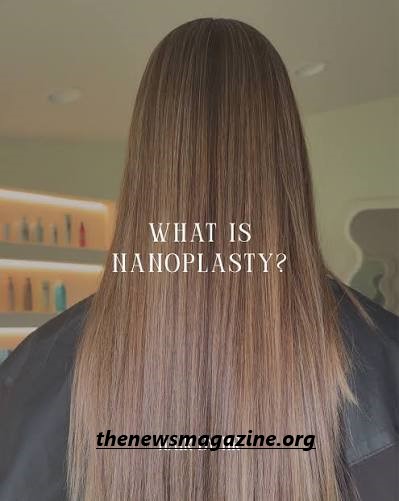
Final Verdict: Getting Better Nanoplasty Results
When nanoplasty results before and after look dramatically different from your experience, it is easy to blame the treatment. Yet the real answer can be more complicated. Hair condition, formula, application, heat, processing, environment, and aftercare all contribute.
Most importantly, do not chase a failed result with more chemical processing. Ask better questions first. Check the product. Assess your hair. Choose an experienced stylist. Follow the correct aftercare routine. And remember that a safe, realistic result is more valuable than perfectly straight hair at any cost.