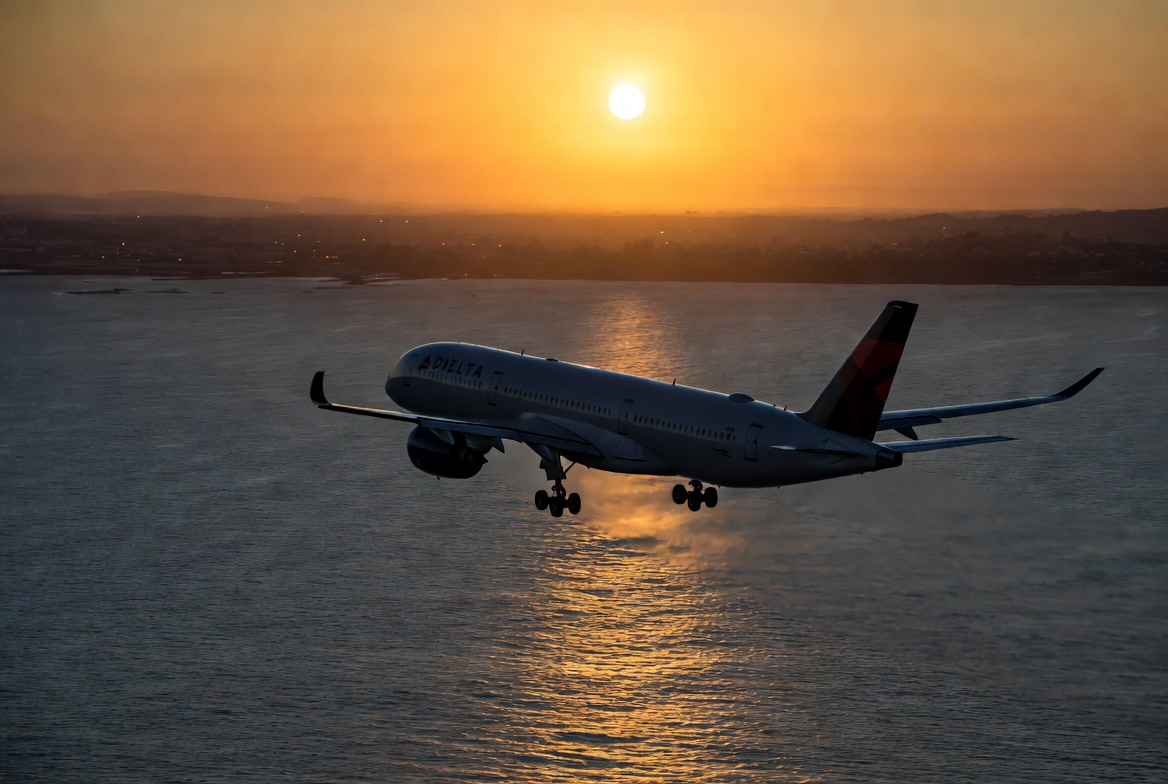

Imagine settling into your seat for a long-haul flight from Detroit to Tokyo, excited for the adventure ahead, only to hear the captain announce a diversion thousands of miles from your destination. That’s exactly what happened to passengers aboard Delta Flight DL275 when it was diverted to LAX.
In an era where air travel feels more routine than ever, events like this remind us that safety protocols are still paramount. As we move through 2026, with more people flying longer distances on advanced aircraft like the Airbus A350, understanding incidents such as the Delta flight DL275 diversion to LAX helps build confidence in the system. This wasn’t a dramatic emergency with flames or panic, but a calculated, professional decision that highlights how aviation prioritizes lives above schedules.
On May 27-28, 2025, Delta Air Lines Flight DL275 departed from Detroit Metropolitan Wayne County Airport (DTW) bound for Tokyo Haneda (HND). The aircraft was an Airbus A350-900, a modern wide-body jet known for its efficiency and passenger comfort on transpacific routes.
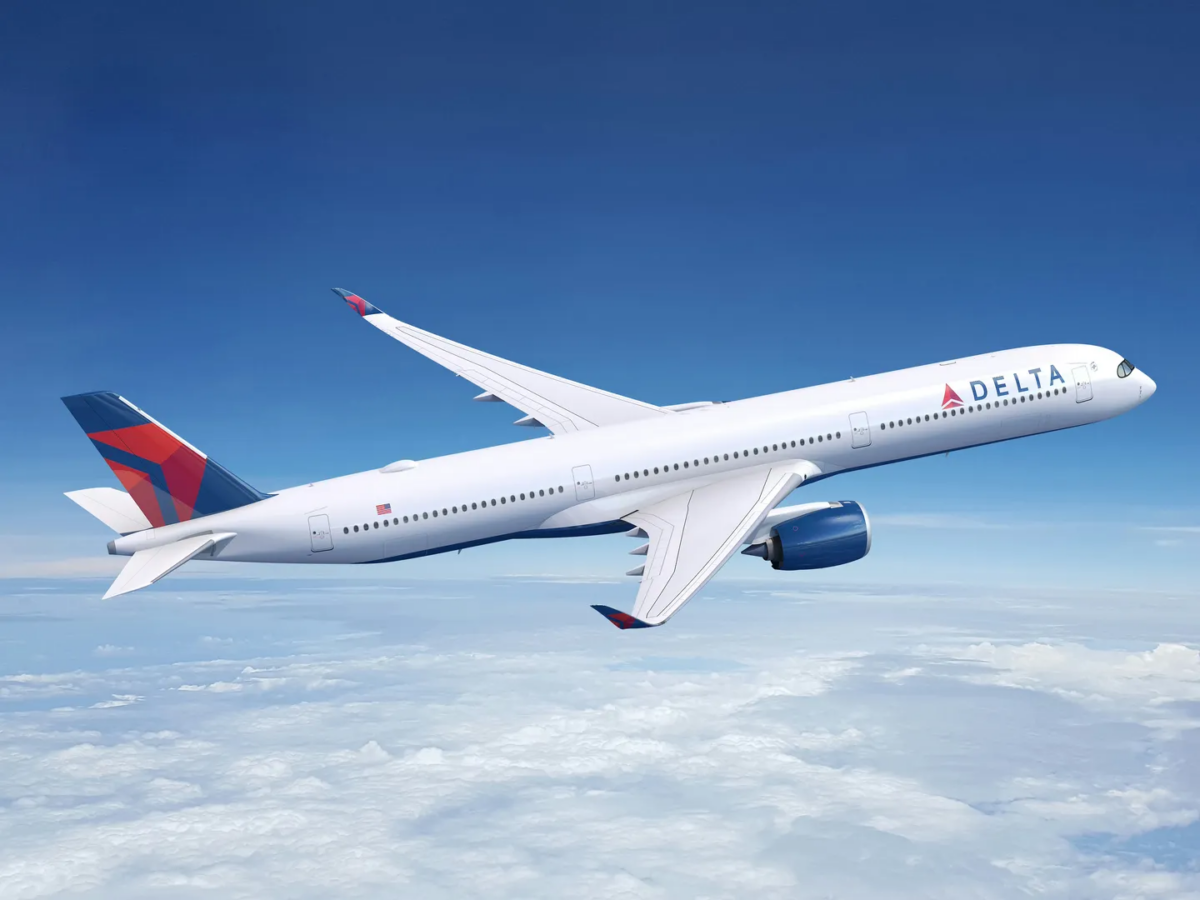
After several hours in the air, while cruising over the Bering Sea area in the North Pacific, the crew detected an issue with the anti-ice system on one of the Rolls-Royce Trent XWB engines. Rather than continue toward Japan, the pilots made the prudent choice to turn around and head for Los Angeles International Airport (LAX), a major Delta hub with excellent maintenance capabilities.
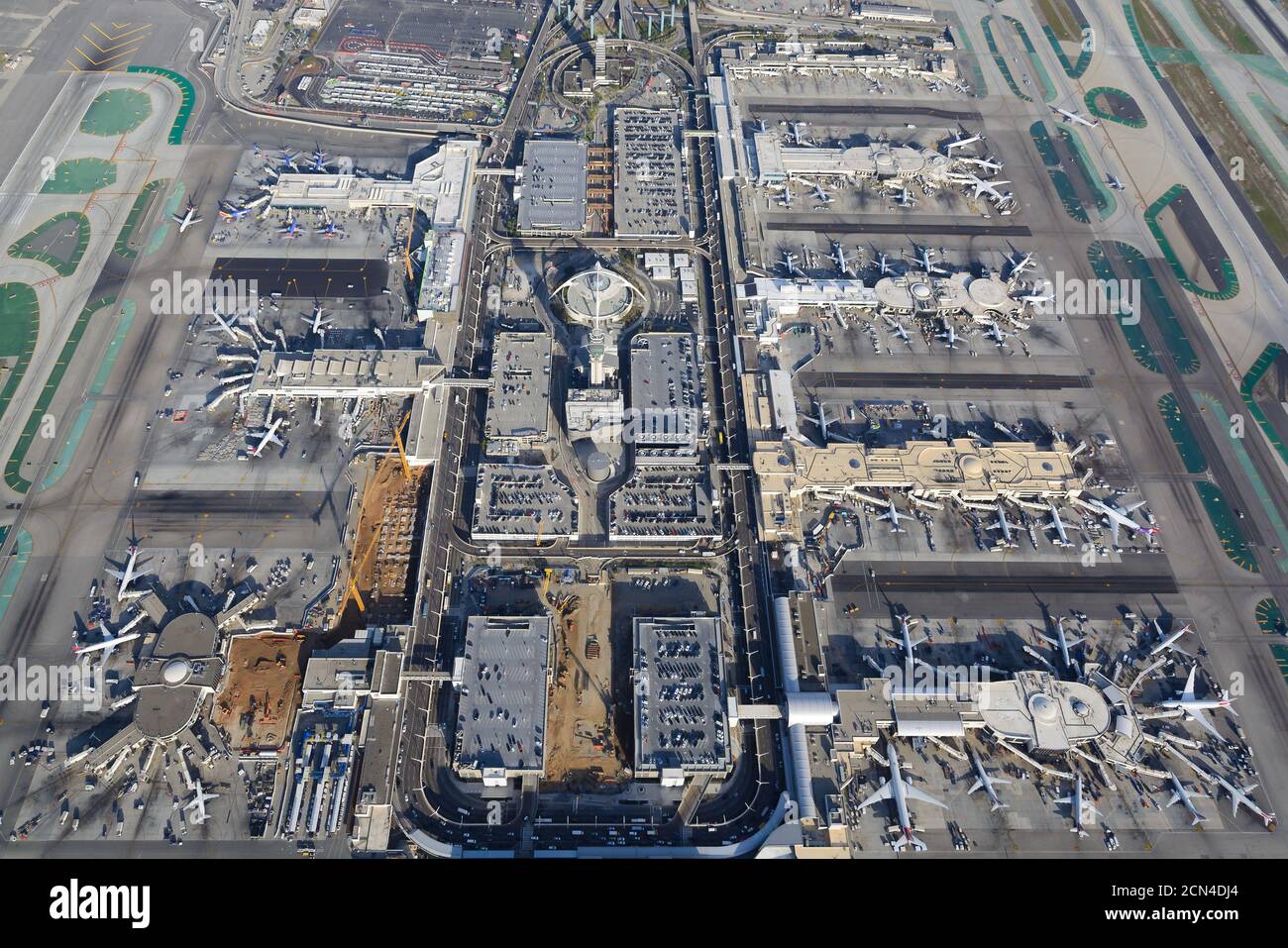
The flight ultimately landed safely at LAX after a lengthy diversion. All passengers and crew disembarked without injury. What could have been a tense situation turned into a textbook example of professional aviation decision-making.
Understanding the Anti-Ice System and Why It Mattered
Aircraft flying at high altitudes often encounter conditions where ice can form on engines and wings. The anti-ice system uses bleed air from the engines or electrical heating to prevent this buildup, which could otherwise affect engine performance or aerodynamics.
In the case of Delta Flight DL275, the malfunction was precautionary rather than catastrophic. Aviation experts note that while the A350 is highly reliable, no system is immune to alerts. Pilots are trained to follow strict protocols: when in doubt, divert to the safest suitable airport.
Why LAX specifically? Los Angeles offered several advantages:
- It is a primary Delta hub with specialized maintenance teams familiar with the A350.
- Excellent runways capable of handling heavy wide-body aircraft.
- Proximity to the diversion point compared to other major U.S. airports.
- Comprehensive emergency and support services.
This choice minimized risk and allowed for quick technical assessment.
The Human Side: Passenger Experiences
Passengers on long-haul flights like this often include business travelers, families visiting relatives in Japan, and tourists. Many were asleep or watching movies when the announcement came. Reports suggest the crew communicated calmly, explaining the situation without causing alarm.
One common passenger concern in such diversions is the uncertainty—will my connecting flights be honored? What about hotels and meals? Delta responded by arranging accommodations, rebooking options, and support services. While inconvenient, most travelers appreciated the focus on safety.
Stories from similar incidents show that clear communication makes all the difference. Passengers often remark on the professionalism of the crew, turning a potential negative into a memorable (if unplanned) part of their journey.
Aviation Safety Protocols in Action
Modern aviation operates under multiple layers of safety. The diversion of Delta Flight DL275 demonstrates several key principles:
- Redundancy: Aircraft like the A350 have backup systems, but crews don’t take chances.
- Decision-making hierarchy: Safety first, then operational considerations.
- Post-incident review: Every diversion leads to thorough investigations by the airline, manufacturers (Airbus and Rolls-Royce), and regulators like the FAA.
In 2026, with increasing air traffic and climate factors affecting weather patterns, these protocols continue to evolve. Data from organizations like the Aviation Safety Network shows that commercial aviation remains one of the safest transportation modes, thanks to lessons learned from events big and small.
Why Diversions to Major Hubs Like LAX Happen More Often
Diverting a flight isn’t rare, but long diversions grab headlines. Factors include:
- Remote oceanic routes with limited alternate airports.
- Advanced aircraft systems that detect even minor anomalies early.
- Airline policies favoring caution over continuation.
LAX’s role as a diversion point stems from its infrastructure. As one of the busiest airports in the world, it handles hundreds of international flights daily and maintains top-tier facilities.
Comparing This Incident to Other Notable Diversions
Aviation history includes many diversions for medical, weather, or technical reasons. What sets the DL275 case apart is the distance involved and the aircraft type. The Airbus A350’s efficiency allowed it to make the long return journey without additional issues.
Unlike high-profile emergencies, this was a proactive measure. No passengers reported discomfort beyond the extended flight time, and the aircraft was later cleared after inspection.
What This Means for Travelers in 2026
Air travel in 2026 features more direct long-haul options, sustainable fuels, and improved in-flight experiences. However, technical glitches remain possible. Here’s practical advice:
- Pack essentials in your carry-on for unexpected delays.
- Download airline apps for real-time updates.
- Consider travel insurance that covers trip interruptions.
- Stay informed about your aircraft type and route.
For frequent flyers on transpacific routes, understanding potential diversion airports can reduce anxiety.
The Role of Technology and Human Expertise
While automation handles much of modern flying, human pilots remain central. The crew on DL275 exemplified this balance—relying on sophisticated alerts while applying judgment honed through rigorous training.
Rolls-Royce and Airbus continuously refine engines like the Trent XWB based on real-world data. Incidents like this, though rare, contribute to those improvements.
Quick Information Table
| Topic | Delta Flight DL275 Diverted to LAX |
|---|---|
| Category | Aviation Incident & Safety Analysis |
| Search Trend | High interest in flight diversions and Delta safety |
| Main Focus | Technical issue with engine anti-ice system |
| User Intent | Information, explanation, reassurance for travelers |
| SEO Importance | Strong for informational and news-related searches |
| Best For | Travelers, aviation enthusiasts, frequent flyers |
| Industry Trend | Emphasis on proactive safety and transparent communication |
Airlines like Delta invest billions in fleet modernization and training. The A350 fleet represents a step toward more reliable, fuel-efficient operations. Public trust depends on how carriers handle disruptions—Delta’s response helped maintain confidence.
Looking ahead, expect more integration of AI for predictive maintenance, potentially reducing such incidents further.
Internal Resources for Deeper Reading
For a detailed guide on what to do during flight diversions, check our complete analysis [here]. Travelers interested in aircraft technology may enjoy our feature from Nexa Magazine on modern wide-body jets.
FAQs
Why was Delta Flight DL275 diverted to LAX? The diversion occurred due to a precautionary issue with the engine anti-ice system on the Airbus A350. Pilots chose the safest option by heading to a well-equipped hub.
Was anyone hurt in the Delta DL275 incident? No. All passengers and crew landed safely with no reported injuries.
How long was the diversion flight? The aircraft flew approximately five hours back to LAX after the decision was made, resulting in a significantly extended journey.
Will passengers receive compensation? Policies vary, but Delta typically offers rebooking, meals, and hotel support for significant disruptions. EU261 or similar rules may apply depending on circumstances.
Is the Airbus A350 safe after this incident? Yes. The aircraft type has an excellent safety record. This was an isolated alert leading to standard maintenance.
How common are flight diversions? They happen regularly but rarely make major news unless dramatic. Most are handled smoothly.
Could the flight have continued to Tokyo? Continuing might have been possible, but aviation rules prioritize landing when safety systems indicate potential issues.
What should I do if my flight gets diverted? Stay calm, follow crew instructions, contact the airline for rebooking, and use travel insurance if needed.
Conclusion
The diversion of Delta Flight DL275 to LAX stands as a powerful example of aviation’s commitment to safety over convenience. In 2026, as air travel reaches new heights in volume and technology, stories like this reinforce why we can board planes with confidence.
By learning from these events, the industry continues to improve, ensuring that every flight—whether routine or rerouted—prioritizes the well-being of those on board. Whether you’re a nervous flyer or a seasoned traveler, staying informed helps you appreciate the remarkable system that keeps millions moving safely each year. The skies remain friendly, thanks to the professionals who make split-second decisions when it counts most.
