
Happiness can be difficult to describe with ordinary words. Saying someone is “very happy” tells the reader the emotion, but a vivid comparison can make that feeling easier to imagine. That is where similes for being happy become useful.
A strong comparison can turn an ordinary sentence into something memorable. You might describe someone as happy as sunshine, excited like a child, or floating on air. These creative comparisons give readers a clearer picture of joy while making your writing more colorful and expressive.
What Is a Simile? A Quick Definition
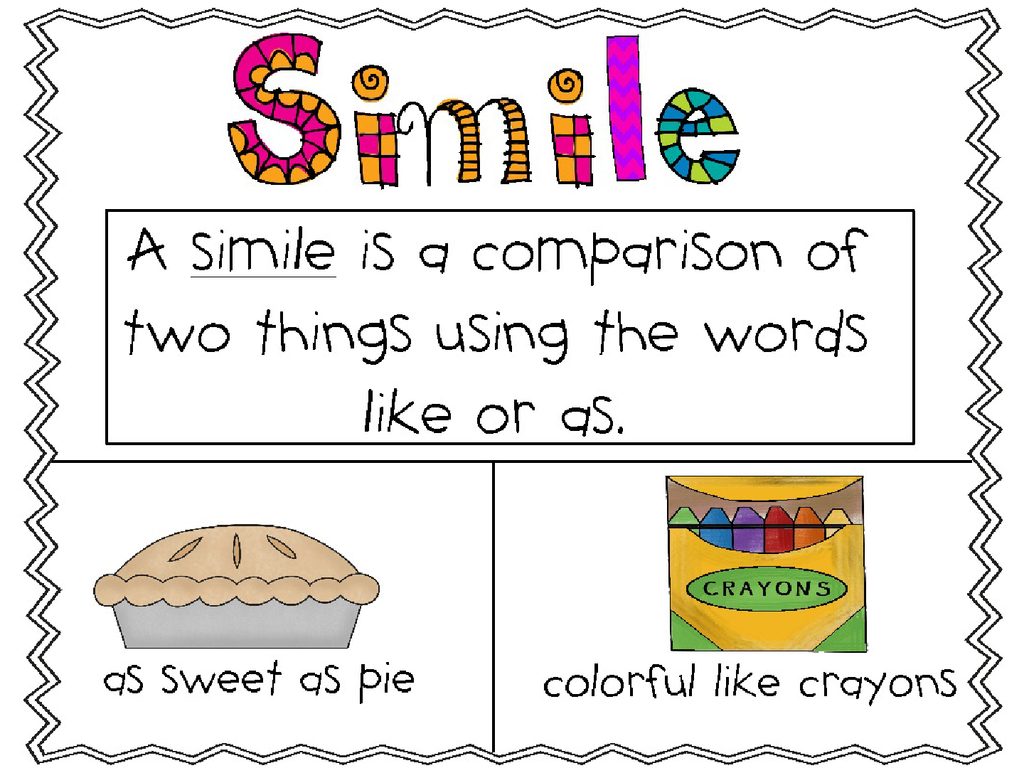
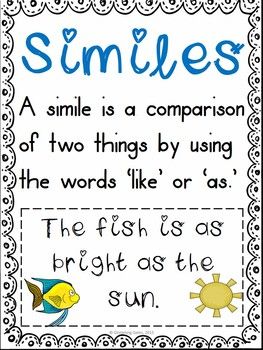
A simile is a figure of speech that compares one thing with another by using words such as “like” or “as.” For example, “She was as happy as a child on vacation” compares her happiness with a familiar experience. Cambridge Dictionary also defines a simile as an expression that compares one thing with another using “as” or “like.” (Cambridge Dictionary)
In everyday writing, similes help explain feelings that can otherwise seem abstract. Happiness is invisible, yet a comparison can make it feel almost physical. You can picture a smiling child, bright sunshine, fireworks, or someone floating through the air.
Simile vs. Metaphor
A simile makes its comparison openly with “like” or “as,” while a metaphor makes a direct comparison. “She was as happy as sunshine” is a simile. “She was sunshine” is a metaphor. Both can create emotional imagery, but they use different structures.
| Device | Example | How It Works |
| Simile | She was as happy as sunshine. | Uses “as” |
| Simile | He smiled like a child. | Uses “like” |
| Metaphor | She was sunshine. | Direct comparison |
| Metaphor | His happiness was fireworks. | Direct image |
Popular Similes for Happy
Some happy similes appear frequently because their images are easy to understand. Expressions such as “happy as a clam” and “happy as a lark” communicate strong happiness without requiring a long explanation.
Other comparisons create more modern or playful images. “Happy as a kid in a candy store” suggests excitement, while “happy as a dog with two tails” creates a humorous picture. The best choice depends on your audience and the kind of happiness you want to show.
Happy as a Clam
“Happy as a clam” is a familiar English expression for someone who feels extremely happy or content. It works well in casual writing and conversation because the phrase sounds friendly and memorable.
Happy as a Lark
“Happy as a lark” connects happiness with the cheerful image of a singing bird. It works particularly well in descriptive or literary writing when you want a light, positive mood.
Happy as a Kid in a Candy Store
This comparison suggests intense excitement. Someone who is “happy as a kid in a candy store” has many things to enjoy and may struggle to contain their enthusiasm.
Happy as a Dog With Two Tails
This humorous comparison describes someone who is extremely pleased. It creates an exaggerated image of happiness and works especially well in informal storytelling.
30+ Similes for Being Happy With Meanings
The following similes for being happy cover different shades of joy. Some suggest excitement, while others communicate peaceful satisfaction, relief, confidence, or innocent pleasure.
Choosing the right image matters because happiness does not always look the same. A person receiving great news may feel like fireworks, while someone relaxing after a stressful week may feel as peaceful as calm water.
| Simile | Meaning |
| Happy as a clam | Extremely happy |
| Happy as a lark | Cheerful and joyful |
| Happy as a child with a new toy | Innocent excitement |
| Happy as a kid in a candy store | Strong enthusiasm |
| Happy as a dog with a new toy | Playful joy |
| Happy like sunshine | Bright, warm happiness |
| Happy like springtime | Fresh and hopeful joy |
| Happy like morning light | Gentle happiness |
| Happy as fireworks | Exciting, energetic joy |
| Happy as a blooming flower | Natural, growing happiness |
| Floating on air | Extremely pleased |
| Walking on air | Feeling wonderful |
| Grinning like a child | Innocent delight |
| Smiling like sunshine | Warm happiness |
| Glowing like a star | Visible joy |
| Laughing like a carefree child | Uncontrolled happiness |
| Bright as a sunny day | Cheerful and positive |
| Light as a feather | Free and carefree |
| Happy like birds singing | Peaceful delight |
| Happy as a puppy | Playful happiness |
| Happy like a warm hug | Comforting joy |
| Happy as calm water | Peaceful contentment |
| Happy like a dream come true | Deep satisfaction |
| Happy as a child on Christmas morning | Excited anticipation |
| Happy like winning a prize | Success and excitement |
| Happy as someone seeing an old friend | Warm emotional joy |
| Happy like finding money in an old pocket | Pleasant surprise |
| Happy as a person after good news | Relief and joy |
| Happy like sunlight after rain | Renewed happiness |
| Happy as a traveler reaching home | Relief and comfort |
| Happy like music on a perfect day | Emotional pleasure |
| Happy as a person celebrating success | Pride and joy |
| Happy like a garden in spring | Fresh, lively happiness |
Nature-Inspired Happy Similes
Nature provides some of the easiest emotional imagery for happiness. Sunshine, spring flowers, birds, blue skies, and morning light all carry positive associations that readers can quickly understand.
For example, “She was happy like sunshine after a storm” suggests renewed hope. Meanwhile, “His smile was bright as a summer morning” creates a softer image of cheerful energy.
Childhood and Innocent Happy Similes
Childhood images can communicate simple, honest happiness. A child receiving a favorite toy, eating candy, or waking up on a holiday can represent excitement without complicated explanation.
These comparisons work especially well in creative writing because they connect happiness with familiar experiences. They can also make an emotional scene feel warmer and more personal.
Celebration and Success Similes
Some moments call for energetic comparisons. Winning a competition, receiving good news, graduating, or reaching an important goal can feel like fireworks or a dream coming true.
In these situations, positive emotions are often stronger than simple contentment. A lively comparison helps the reader sense the excitement rather than merely being told that someone is happy.
Calm and Comforting Similes
Not every kind of happiness is loud. Sometimes happiness feels quiet, safe, and peaceful. Comparisons involving calm water, a warm hug, soft sunlight, or a peaceful garden can capture this mood.
These descriptive comparisons are useful when your character feels grateful or relieved. They suit reflective stories, personal essays, poems, and emotional scenes.
Creative and Poetic Happy Similes
Creative writing gives you room to experiment with unusual images. Instead of always using sunshine or fireworks, you can compare happiness with music, warm rain, an open window, or a favorite song.
The goal is not to make every comparison complicated. A fresh image works best when readers can understand the connection immediately.
Happy Similes and Their Meanings: Choosing the Right Comparison
The meaning of a happy comparison depends on context. “Happy as fireworks” suggests excitement, while “happy as calm water” suggests peace. Both express happiness, yet they create very different emotional scenes.
Before choosing similes for happiness, think about the exact emotion behind the smile. Is the person excited, relieved, peaceful, grateful, surprised, or proud? Your answer should guide the image you select.
| Type of Happiness | Useful Simile | Emotional Effect |
| Excitement | Happy as fireworks | Energetic |
| Peace | Happy as calm water | Relaxed |
| Innocence | Happy as a child | Pure |
| Relief | Happy like sunlight after rain | Renewed |
| Success | Happy like winning a prize | Proud |
| Comfort | Happy like a warm hug | Safe |
| Surprise | Happy like finding money | Unexpected |
| Hope | Happy like springtime | Fresh |
Similes for Quiet Happiness
Quiet happiness works well with images such as morning light, calm water, gentle sunshine, or a peaceful garden. These comparisons suggest emotional balance rather than loud excitement.
Similes for Excitement
When happiness feels energetic, use images such as fireworks, jumping children, cheering crowds, or playful puppies. These vivid descriptions make the emotion feel active and powerful.
Similes for Relief and Freedom
Relief often feels like a weight disappearing. Comparisons involving open skies, sunlight after rain, or floating on air can communicate this sudden sense of freedom.
Similes for Deep Emotional Happiness
Deep happiness may come from family, friendship, gratitude, achievement, or a meaningful reunion. A warm hug or dream-come-true comparison can express this type of emotional joy naturally.
How to Create Your Own Similes for Happiness
Creating your own similes for happy becomes easier when you first identify the emotion. Do not start by searching for a random object. Start with the feeling you want your reader to experience.
Once you know the emotion, choose an image that naturally represents it. A useful comparison should have a clear connection with the feeling. This approach produces more original writing and prevents forced imagery.
Start With the Type of Happiness
Ask yourself what kind of happiness you are describing. Excitement needs a different image from peaceful satisfaction. Relief also needs a different comparison from pride.
Choose a Familiar Image
Pick something your reader can picture immediately. Sunshine, fireworks, puppies, flowers, music, and warm hugs are familiar images that require little explanation.
Connect the Emotion With Like or As
Now create the basic structure. You might write, “She was as happy as sunshine” or “He smiled like a child.” The words “like” and “as” make the comparison clear.
Make the Comparison Specific
Specific details make creative comparisons stronger. Instead of saying “He was happy like a dog,” try “He was as happy as a puppy hearing the front door open.”
Writers should also pay attention to small differences in word choice. If you enjoy exploring commonly confused words, our guide to requester vs. requestor offers another example of how closely related terms can require careful usage.
Test Your New Simile
Read your sentence aloud. If the comparison sounds natural and the image supports the emotion, keep it. If the reader has to work too hard to understand it, simplify the comparison.
Common Mistakes When Using Similes for Happy
Even good figurative language can weaken writing when it feels forced. A sentence does not automatically become better simply because it contains a comparison.
Strong writing uses a simile for a reason. The comparison should clarify an emotion, strengthen an image, or create a particular mood. It should not distract readers from the main idea.
Using Too Many Similes
Several comparisons packed into one sentence can make your writing feel crowded. Usually, one clear and memorable image is stronger than three unrelated comparisons.
Choosing the Wrong Emotional Image
Make sure your image matches the emotion. Fireworks suggest excitement, while calm water suggests peace. Using the wrong image can confuse the reader.
Mixing Unrelated Images
Avoid jumping between completely different images without purpose. A sentence that moves from sunshine to fireworks to ocean waves may lose its central emotional focus.
Depending Too Much on Clichés
Familiar expressions can be useful, but overused phrases may sound predictable. Try adding a specific detail to make a familiar comparison feel fresher.
Making the Simile Too Complicated
A simile should help the reader. If the comparison requires a long explanation, it may be doing too much. Keep the central image clear.
Ignoring Tone and Audience
A playful comparison may work beautifully in a casual story but feel out of place in formal writing. Always consider who will read your work and what tone you want to create.
Good writers also pay attention to word choice. Even small spelling or usage differences can change how polished a sentence feels. For another example of commonly confused terms, see our guide to Segway or Segue – What’s the Difference?.
Examples of Happy Similes in Real Sentences
Examples make it easier to see how similes for happy work in real writing. Notice how each sentence uses a different image to communicate a particular shade of happiness.
The comparison should fit naturally into the sentence. When it does, readers understand the emotion without needing a lengthy explanation.
| Situation | Example |
| Good news | She was as happy as a child with a new toy. |
| Success | He felt like fireworks were exploding inside him. |
| Relief | She was happy like sunlight after a storm. |
| Friendship | He smiled like someone meeting an old friend. |
| Vacation | They felt as carefree as dogs running through a field. |
| Achievement | She was as happy as someone seeing a dream come true. |
| Peace | He felt happy as calm water on a quiet morning. |
| Surprise | She was happy like someone finding an unexpected gift. |
| Celebration | They were as happy as children on a holiday morning. |
| Comfort | He felt happy like he had received a warm hug. |
Everyday Conversation Examples
In conversation, simple comparisons often sound the most natural. “I was floating on air” or “She was as happy as a kid in a candy store” can communicate excitement quickly.
School and Essay Examples
Students can use similes to make descriptive essays more vivid. For example, “After receiving the scholarship, Maya was as happy as a bird released from a cage” creates a stronger image than simply saying she was happy.
Storytelling Examples
Stories benefit from emotional comparisons because readers experience characters through images. A character can smile like sunshine, laugh like a carefree child, or feel as light as a feather.
Creative Writing Examples
Poetry and creative prose allow more freedom. You might write, “Her happiness rose like morning light across a quiet room.” The image creates both emotion and atmosphere.
Social Media and Caption Examples
Short captions often benefit from playful comparisons. “Happy as a puppy with a new toy” is simple, visual, and easy to understand.
Practice Exercise: Choose the Best Happy Simile
Practice helps you understand how different simile examples communicate different emotions. The goal is not simply to choose a phrase that contains “happy.” You should choose the image that best matches the situation.
Think about the emotional setting before selecting your answer. A peaceful afternoon needs a different comparison from an exciting celebration.
| Situation | Best Comparison | Why |
| Winning a major competition | Happy as fireworks | Shows excitement |
| Relaxing after a stressful week | Happy as calm water | Shows peace |
| Receiving a favorite gift | Happy as a child with a new toy | Shows innocent joy |
| Meeting an old friend | Happy like a warm hug | Shows emotional comfort |
| Getting good news after worrying | Happy like sunlight after rain | Shows relief |
| Reaching a lifelong goal | Happy like a dream come true | Shows deep satisfaction |
Choose the Simile That Fits the Emotion
Ask what the person feels beneath the general idea of happiness. This small step helps you choose a comparison that sounds natural rather than random.
Identify the Emotion Behind the Simile
Read a comparison and identify its emotional quality. Fireworks suggest excitement. Calm water suggests peace. Springtime suggests renewal and hope.
Create Your Own Happy Simile
Start with a familiar image and connect it to a specific emotional situation. For example, “After hearing the good news, she smiled like sunshine breaking through clouds.”
Practice Answers and Explanations
There can be more than one reasonable answer. The strongest answer is usually the one that matches the situation and creates an image readers can understand quickly.
Final Takeaway: Using Similes for Happy
The best similes for being happy do more than replace the word “happy.” They give readers an image, mood, and emotional experience. A good comparison lets someone see the feeling rather than simply being told about it.
When you write, focus on the exact kind of happiness you want to express. Use sunshine for warmth, fireworks for excitement, calm water for peace, and familiar everyday experiences for innocent joy. With practice, your comparisons will become more natural and memorable.
Choose the Image That Matches Your Emotion
Start with the emotion before choosing the comparison. Ask whether the happiness is peaceful, excited, relieved, grateful, playful, or deeply emotional.
Keep Your Happy Similes Clear and Natural
Simple comparisons often work better than complicated ones. If your reader understands the image immediately, your creative writing becomes easier to follow.
Practice With Everyday Moments
Look for ordinary moments that make people smile. A favorite meal, unexpected message, family reunion, successful exam, or beautiful morning can inspire fresh comparisons.
For related inspiration, you can also explore our guide to 33+ Best Dog Similes for Writers and Students. It shows how familiar animal behavior can become effective figurative language in descriptive and creative writing.